

Peptides for perimenopause are short-chain amino acid compounds marketed to women in midlife for fat loss, muscle gain and hormonal support and most of them are not worth your money. Scroll through any wellness feed, pop into a menopause support group or browse a GLP-1 forum and you will find someone talking about BPC-157, ipamorelin, CJC-1295 or whatever the newest compound is this week. Women over 40 are a prime target market for these products and the claims are everywhere: fat loss, muscle gain, better sleep, sharper thinking, younger skin and faster recovery just to name a few.
But here is what is not making the rounds quite as loudly: most women spending money on peptide protocols are skipping the basics that would actually move the needle. And that is the conversation worth having.
What Are Peptides for Perimenopause?
Peptides are short chains of amino acids, essentially small proteins, that act as signaling molecules in the body. Your body already produces many of them naturally. Researchers have been studying synthetic peptides for decades and some have legitimate medical applications.
The peptides for perimenopause being sold in the women’s wellness space right now are a different story. Most fall into a few categories:
The honest part: the research on most of these is limited, largely conducted in animals or done in people with specific medical conditions, not healthy women navigating perimenopause. The marketing is always significantly ahead of the science.
Many are also sold in a gray market not FDA-approved, not regulated for purity or dosing and not prescribed by a physician who has examined you. That matters.
Why Peptides for Perimenopause Are Marketed So Hard to Women?
This is not accidental. During perimenopause, estrogen begins declining and estrogen plays a meaningful role in muscle maintenance, bone density, mood and cognitive function. Women in this window are dealing with real changes: muscle mass declining, fat redistributing, energy shifting, sleep getting worse and brain fog showing up uninvited.
These are legitimate frustrations, and the wellness industry knows it. The GLP-1 medication wave opened a door. Women saw that a pharmaceutical compound could change body composition and now they are much more open to the idea that other compounds might do the same. Peptide sellers stepped right into that opening.

The result is that women who are exhausted, frustrated and genuinely trying to take care of themselves are spending hundreds, sometimes thousands, of dollars on unregulated compounds for peptides for perimenopause that may do nothing, or may carry risks we do not yet fully understand.
Why Aren’t Peptides Working for Women Over 40?
Peptides aren’t working for most women over 40 because the foundation underneath them is missing and no compound compensates for inconsistent training, low protein and poor sleep. After 16 years of coaching women through perimenopause and beyond, the pattern is remarkably consistent. A woman is deep into researching peptide stacks, comparing vendors, tracking dosing protocols. She’s spending real mental energy on this pursuit.
And when you look at her actual habits:
No peptide closes that gap. Not one.
The supplement and wellness industry has done an excellent job convincing women that their body composition and energy struggles come from a missing compound rather than a missing habit. That is a story that serves sellers. It is not a useful story for you.
What Does a Peptide Protocol Actually Cost You?
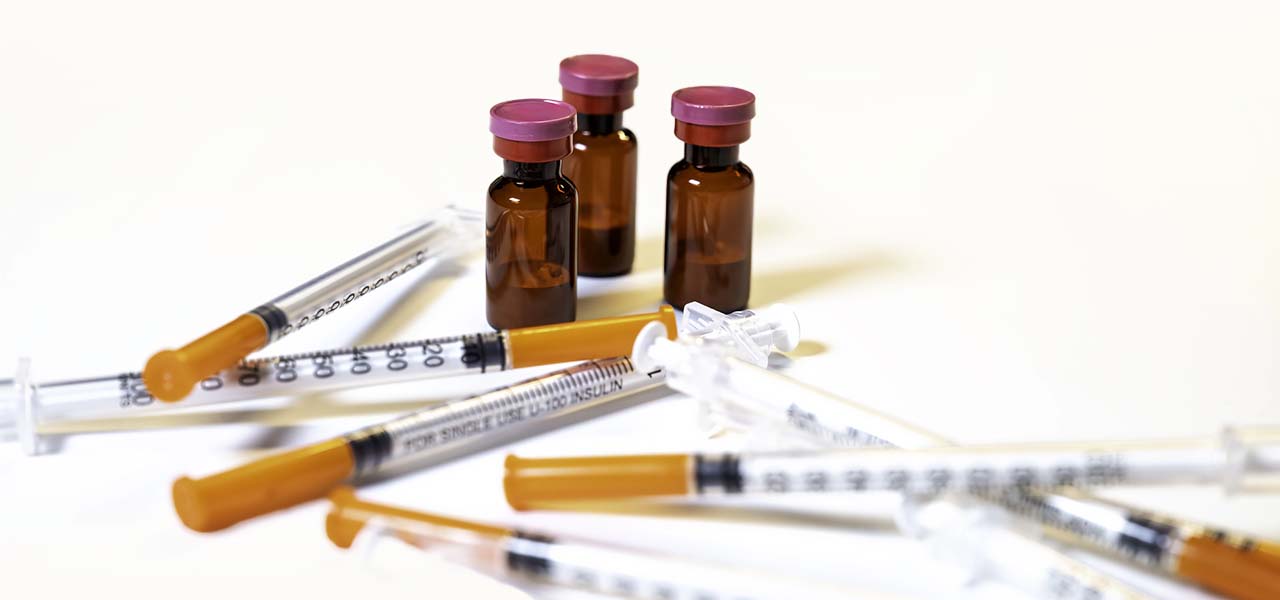
A peptide protocol typically costs $200 to $500 a month, but the bigger cost is the mental bandwidth you lose chasing a solution that was never going to work without the basics in place.
Every hour spent researching stacks, comparing vendors, managing injection protocols and wondering if it is working is an hour not spent on the habits that actually compound over time.
Strength training, dialing in protein, improving sleep, building a sustainable relationship with food, these are not glamorous. They do not have a dramatic before-and-after from someone who started last Tuesday. But they work. Every time. Without unknown long-term risks.
For women in perimenopause especially, that mental energy is genuinely precious. Spend it where it returns something real.
What About Peptides for Women on GLP-1 Medications?
Because peptides for perimenopause and GLP-1 medications often get discussed in the same breath, a clear line is worth drawing. GLP-1 receptor agonists like semaglutide and tirzepatide are not in the same category as the peptides being sold through wellness channels. They are FDA-approved medications, prescribed by physicians, with significant clinical trial data behind them and they work through a well-understood mechanism.
They also come with real considerations such as muscle loss being one of the most important, which is why women on GLP-1 medications need structured strength training and adequate protein more than ever. That is a very different conversation from a peptide protocol someone recommended in a Facebook group.
If you are on a GLP-1 medication and curious about what your body actually needs right now, that is a conversation worth having with a coach who specializes in this space.
What Actually Works for Women in Perimenopause Instead of Peptides?
What works for women in perimenopause is consistent strength training, adequate protein, quality sleep and hydration in that order, every time.
Build that foundation consistently and your body will respond. That is not a guess, it is 16 years of watching it work for women who committed to the boring stuff.
Frequently Asked Questions About Peptides for Perimenopause
Do peptides help with perimenopause symptoms?
There is limited clinical evidence that most wellness peptides meaningfully improve perimenopause symptoms in healthy women. The symptoms women associate with perimenopause, such as muscle loss, weight gain, brain fog, and poor sleep, respond most reliably to strength training, adequate protein, and improved sleep habits. Peptides are not a substitute for those fundamentals.
Are peptides safe for women over 40?
Most peptides sold through wellness channels are not FDA-approved and are not regulated for purity or dosing. The research on their safety in healthy women, particularly in perimenopause, is limited. If you are considering any peptide, that conversation should start with a physician, not a vendor or an online forum.
What is the difference between peptides and GLP-1 medications?
GLP-1 medications like semaglutide are FDA-approved, clinically tested drugs prescribed by a physician. Most peptides sold in wellness communities are unregulated research compounds, sold in a gray market, with far less safety and efficacy data. They are not in the same category.
What should women in perimenopause take instead of peptides?
The most evidence-backed approach for women in perimenopause is a foundation of consistent strength training, sufficient protein intake (typically 0.7–1g per pound of body weight), adequate sleep, and hydration. These habits outperform supplements and compounds for long-term body composition and health in midlife.
Is BPC-157 safe for women in perimenopause?
BPC-157 is a research peptide with most studies conducted in animals. There is very limited human safety data, particularly in healthy perimenopausal women. It is not FDA-approved and is typically sold through unregulated channels without quality controls.
Why are so many women in perimenopause taking peptides?
The real hormonal changes of perimenopause such as muscle loss, weight redistribution, brain fog, fatigue make women understandably open to solutions. The wellness industry has capitalized on that frustration. Peptides are heavily marketed to midlife women, often with claims that outpace the actual evidence.
The Bottom Line
You are not missing a peptide and the research on peptides for perimenopause does not suggest otherwise. You are likely missing consistency in the habits your body actually runs on and that is a fixable problem. For women in perimenopause, that foundation is everything: it is what protects your muscle, your bones, your metabolism, and your energy through this transition and beyond.
If you are a woman in your 40s or 50s navigating perimenopause and you want a straightforward plan built around what actually works, that is exactly what I do.

Ready to Start Building Strength That Lasts?
If you’re new to strength training or coming back after time away, start here: Download my free guide on how to begin strength training.
When you’re ready for personalized coaching and a program built specifically for your body, let’s talk about online strength training.
 Personalized Online Strength Training for Midlife Women: How It Works (And Why It Actually Gets Results)
